







Your cart is currently empty.
Free Shipping

SEO focus: fat tire e-bike vs lightweight e-bike, commuter e-bike buyer guide, electric bike comparison, and real-world riding comfort.
Choosing an electric bike is no longer just about motor power or top speed. For many riders, the real question is much more practical: should you buy a lightweight commuter e-bike, a folding e-bike, or a fat tire electric bike built for rougher everyday conditions?
That question matters because most real-world rides are not perfect. A daily route may include smooth bike lanes, cracked pavement, gravel shoulders, steep driveways, wet roads, park paths, and crowded intersections. A weekend ride may start on pavement and end on dirt, grass, or a forest path. The best e-bike is not always the lightest one. It is the one that fits how and where you actually ride.
At andskyebike, we focus on practical electric bikes for riders who want comfort, stability, and versatility. This guide compares fat tire e-bikes and lightweight commuter e-bikes so you can understand which type makes more sense for your daily life.
Lightweight e-bikes are attractive because they are easier to lift, store, and maneuver in tight spaces. Riders who live in apartments, use elevators, or carry bikes up stairs may naturally look at lighter models first. Folding e-bikes can also be convenient for people who need compact storage or occasional transport in a vehicle.
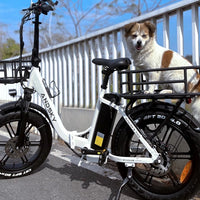
Fat tire e-bikes appeal to a different need: confidence. Wider tires help the bike feel more stable on uneven surfaces. They can smooth out bumps, improve traction, and make mixed terrain feel less intimidating. For riders who care about comfort, control, and route flexibility, that can be more important than saving a few pounds.
This is why the comparison is so common. Both categories solve real problems, but they solve different problems.
A lightweight commuter e-bike is best for riders who travel mostly on clean pavement, have limited storage space, or need to lift the bike frequently. If your commute is short, flat, and predictable, a lightweight design can feel efficient and simple.
These bikes often have slimmer tires, smaller batteries, and more minimal frames. That can make them easier to handle at low speed or carry through a doorway. For urban riders who combine biking with public transportation, weight and portability may be top priorities.
However, lightweight e-bikes can feel less comfortable on rough roads. Slim tires may transmit more vibration, and smaller frames or compact wheels may feel less stable at speed. If your area has potholes, gravel patches, road debris, or uneven bike paths, comfort may become a bigger issue over time.
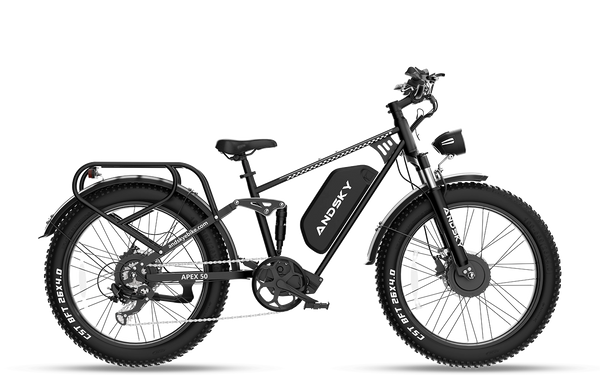
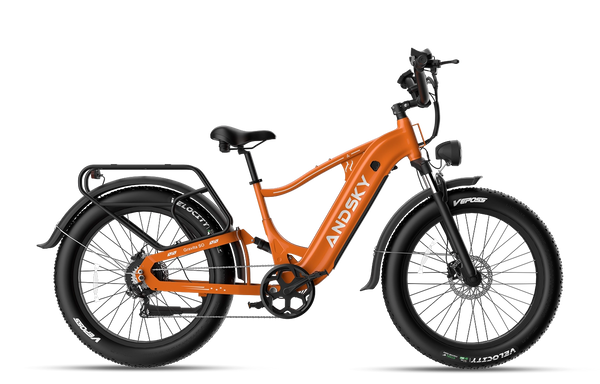
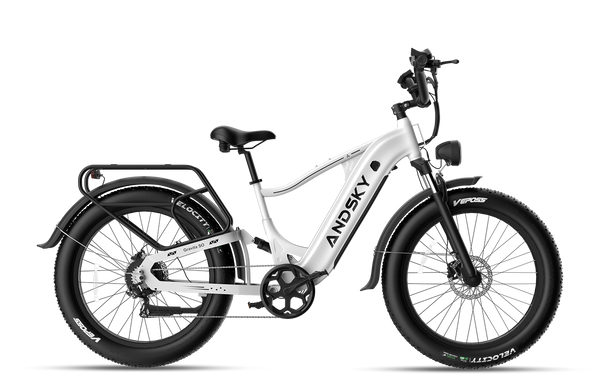
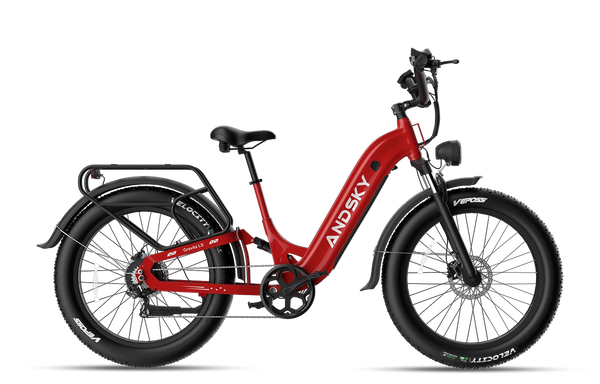
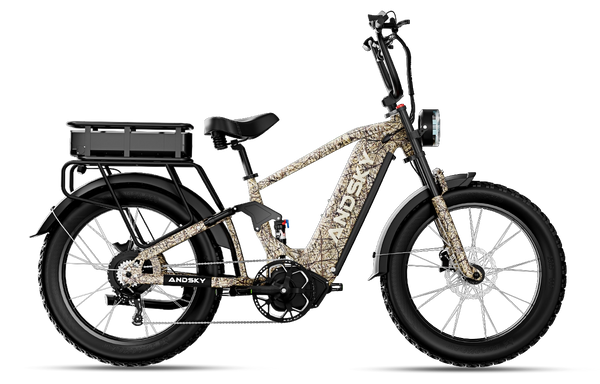
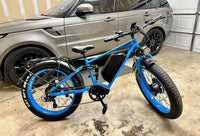
A fat tire e-bike is best for riders who want stability, comfort, and the ability to handle varied terrain. The wider tires create a larger contact patch with the ground, which can improve grip and help absorb bumps.
This makes fat tire e-bikes especially useful for mixed riding conditions. They work well for commuters who deal with rough pavement, riders who use park paths or gravel connectors, and people who want one bike for both weekday transportation and weekend exploration.
A fat tire electric bike is usually heavier than a lightweight commuter model, but that extra weight often comes with a stronger stance, more road presence, and a more planted ride feel. For many riders, the tradeoff is worth it.
Comfort is one of the biggest differences between these categories. A lightweight e-bike can feel quick and responsive on smooth pavement, but it may feel harsh on broken roads. A fat tire e-bike, by contrast, is designed to smooth out imperfect surfaces.
Fat tires can reduce vibration from small cracks, road seams, gravel, and uneven paths. This can make longer rides more enjoyable and reduce the fatigue that comes from constant road feedback. For riders who use their e-bike often, comfort is not a luxury. It is one of the main reasons they keep riding.
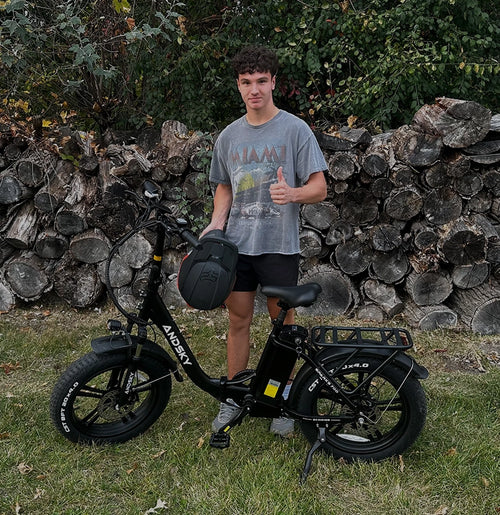
andskyebike models with fat tire designs are built for this kind of everyday comfort. They are not limited to one perfect route. They are made for riders who want to move through real neighborhoods, parks, roads, and outdoor spaces with more confidence.
Stability matters most when conditions are not ideal. Wet pavement, loose gravel, sandy shoulders, and uneven paths can make a narrow tire bike feel less secure. Wider tires can help the rider feel more connected to the ground.
This does not mean fat tires make a bike invincible. Riders still need to brake early, slow down before turns, and choose appropriate speeds. But fat tires can make the bike feel more forgiving, especially for riders who are new to e-bikes or nervous about mixed terrain.
For commuting, this added stability can be useful when crossing rough intersections, riding near road edges, or moving between pavement and trail surfaces. For weekend rides, it opens up more route options.
Portability is the strongest advantage of lightweight and folding e-bikes. If you need to carry your bike upstairs every day, store it under a desk, or lift it into a car frequently, weight matters.
Fat tire e-bikes are usually larger and heavier. They are less ideal for riders who need to carry them often. If portability is your top priority, a lightweight model may be the better choice.
However, many riders do not actually carry their e-bike very often. They ride it from home, park it, charge it, and use it like a practical vehicle. In that case, comfort and stability may matter more than portability.
Range depends on many factors: battery capacity, rider weight, terrain, assist level, tire pressure, wind, cargo, and riding speed. Fat tire e-bikes can require more energy because wider tires create more rolling resistance. But they also often come with stronger batteries and motors designed for that riding style.
Lightweight e-bikes may be efficient on smooth roads, but smaller batteries can limit longer routes. Fat tire e-bikes may use more energy per mile, but they often give riders more confidence to take varied routes and carry gear.
The best choice depends on your normal ride. If your route is short and smooth, lightweight efficiency may be enough. If you ride longer distances, carry cargo, or explore mixed terrain, a more robust e-bike may be a better fit.
There is no single answer for every rider. A lightweight commuter e-bike is better if your main needs are portability, compact storage, and smooth-road efficiency. A fat tire e-bike is better if your main needs are comfort, stability, and confidence across varied terrain.
For many riders, the real-world commute is not as clean as the marketing photo. Roads are rough. Weather changes. Shortcuts include gravel. Bike lanes end suddenly. Weekend plans happen. This is why fat tire e-bikes have become so popular: they give riders more flexibility.
If you want one e-bike for commuting, errands, outdoor paths, and relaxed weekend riding, andskyebike’s fat tire approach makes strong sense.
Before choosing an e-bike, ask yourself five practical questions:
If your answers point toward portability, a lightweight e-bike may work well. If your answers point toward comfort, confidence, and mixed use, a fat tire e-bike is likely the better match.
andskyebike is built for riders who want more from an electric bike than a short city commute. A fat tire andskyebike can support daily transportation while still feeling ready for trails, parks, gravel roads, and weekend exploration.
That versatility matters. You may start by using your e-bike for errands, then discover new local paths. You may buy it for commuting, then use it for camping trips or lakeside rides. A bike with more stability and terrain range gives you room to grow into new riding habits.
For riders who want one reliable e-bike instead of several specialized bikes, fat tire models offer a practical balance of comfort, control, and everyday usefulness.
This topic was selected around buyer-intent keyword themes including “fat tire e-bike,” “commuter e-bike,” “lightweight e-bike,” “folding e-bike,” and “electric bike comparison.” These searches reflect common decision points among shoppers comparing portability, range, comfort, and terrain capability.
A lightweight e-bike can be a smart choice for riders who need easy carrying and compact storage. But for riders who want comfort, stability, and the freedom to handle imperfect roads and weekend routes, a fat tire e-bike is often the more versatile option.
The right e-bike should fit your real life, not just a spec sheet. If your riding includes city streets, rough pavement, park paths, gravel shortcuts, and outdoor exploration, an andskyebike fat tire electric bike gives you the confidence to ride more places with less hesitation.
Yes. Fat tire e-bikes can be excellent for commuting, especially on rough pavement, mixed routes, gravel connectors, and uneven roads.
Lightweight e-bikes are better for portability and smooth-road riding. Fat tire e-bikes are better for comfort, stability, and mixed terrain.
They can use more energy because wider tires create more rolling resistance, but many fat tire e-bikes are designed with battery and motor systems that support this riding style.
Yes. Fat tire e-bikes can ride on city roads and also handle rougher surfaces, making them useful for riders who want one bike for multiple conditions.
andskyebike is a strong fit for riders who want daily commuting ability, outdoor flexibility, comfort, and a stable ride across real-world terrain.
Stay updated with the latest news and exciting updates from Andskyebike!







Share:
How to Protect Your E-Bike Battery in Summer: Charging, Range, and Heat Safety Tips
Why Fat Tire E-Bikes Are Perfect for Camping, Trails, and Outdoor Weekend Trips