







Your cart is currently empty.
Free Shipping

SEO focus: e-bike rain riding, waterproof e-bike, wet-weather commuter e-bike, electric bike safety, and e-bike battery care.
Rain does not have to end your electric bike routine. Many riders use e-bikes for commuting, errands, campus travel, and local transportation in changing weather. A light rain, wet pavement, or a surprise summer storm can happen on any route. The practical question is not simply whether an e-bike can be ridden in the rain. The better question is how to ride safely, protect key components, and adjust your habits when conditions are wet.
For commuters, this matters because real-world transportation is not limited to perfect sunny days. If an e-bike is part of your daily routine, you need to understand braking distance, tire grip, visibility, battery care, storage, and post-ride maintenance. A stable and practical electric bike such as an andskyebike can handle everyday riding demands, but smart wet-weather habits are still essential.
This guide explains what riders should know before taking an e-bike out in the rain, especially if they use their electric bike for commuting or mixed city and outdoor routes.
In many cases, yes. Most modern e-bikes are designed to handle normal outdoor conditions, including light rain and wet roads. However, an e-bike is not the same as a fully waterproof vehicle. Water resistance depends on the bike design, electrical components, connectors, battery housing, display, and maintenance condition.
Riders should avoid deep water, flooding, pressure washing, and full submersion. Even if a bike can handle rain, forcing water into electrical parts is a risk. The safest approach is to treat rain riding as acceptable under normal conditions but still avoid extreme exposure.
Before riding in wet weather, check your owner information and component guidance. If your e-bike has visible cable damage, loose connectors, cracked display housing, or battery latch issues, address those problems before riding in rain.
Rain affects braking more than many riders expect. Wet pavement reduces traction, and brake surfaces may behave differently in moisture. E-bikes are also heavier than traditional bicycles, so stopping distance matters.
Before entering traffic or riding at normal speed, test your brakes gently in a safe area. Use both brakes smoothly, avoid sudden hard braking, and give yourself more space than usual. Slow down before turns, intersections, painted road markings, metal grates, leaves, gravel, and driveway entrances.
For commuter e-bike riders, the biggest safety improvement is simple: ride slower than you would on dry pavement and brake earlier.
Tires are your contact with the road. In wet weather, tire condition and pressure become especially important. Worn tires, incorrect pressure, or tires not suited for mixed surfaces can reduce confidence and control.
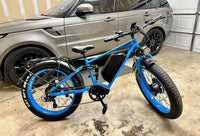
Fat tire e-bikes can be useful in wet conditions because the wider contact patch may help the bike feel more planted on rough pavement, gravel shoulders, and uneven paths. That does not mean fat tires eliminate slipping. Riders still need to adjust speed and avoid risky surfaces.
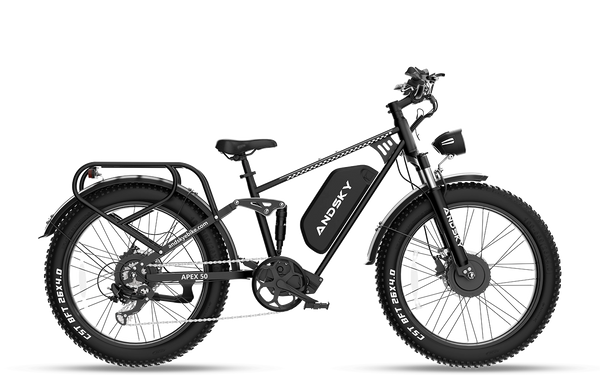
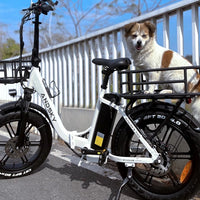
andskyebike fat tire models are well suited for riders who want a more stable ride across real-world surfaces. For wet commuting, that stability can be valuable when pavement is cracked, rough, or inconsistent.
Rain often reduces visibility for everyone on the road. Drivers may have fogged windows, windshield glare, spray from other vehicles, or limited reaction time. Pedestrians and cyclists can also be harder to see in low light or cloudy conditions.
Use front and rear lights during rain, even during the day. Reflective clothing, reflective ankle bands, bright outerwear, and reflective bag details can help you stand out. If your route includes traffic, make visibility a priority, not an afterthought.
An e-bike light is not only for seeing the road. It is also for making sure other road users see you.
Battery care is one of the most important wet-weather topics. A normal rainy ride is different from leaving a battery exposed in heavy rain for hours or charging it while wet. After a wet ride, dry the battery area, frame, display, and connectors with a clean cloth. If the battery is removable, remove it only after wiping away standing water and making sure the contact area is dry.
Do not charge a wet battery or charger. Let components dry fully in a safe, ventilated indoor area before charging. Use only the correct charger and keep charging equipment away from water.
Good battery habits protect both safety and long-term performance. For andskyebike riders who depend on their bike for commuting, battery reliability should be treated as part of daily maintenance.
One common mistake is assuming that if an e-bike can handle rain, it can handle deep water. That is not correct. Deep puddles can hide potholes, sharp objects, uneven ground, or debris. Water can also splash into components at pressure and reach areas that normal rain would not.
Avoid flooded roads and deep standing water. If you cannot see the bottom, do not ride through it. Take a different route or walk the bike around the area if needed.
This advice applies to all e-bikes, including fat tire models. Fat tires may help with stability on wet surfaces, but they do not make an e-bike a water vehicle.
Wet-weather clothing should keep you dry without interfering with riding. Avoid loose ponchos or long rainwear that can catch in wheels, chains, pedals, or handlebars. Choose fitted rain jackets, waterproof gloves, and footwear with good grip.
Gloves are especially useful because wet hands can slip on grips and brake levers. Eye protection can also help in rain, road spray, and wind. If you carry a bag, use a waterproof cover or dry bag to protect electronics and work items.
Good gear makes rain riding more comfortable, but it should never compromise control of the bike.
After riding in rain, take a few minutes to care for the bike. Wipe down the frame, battery area, display, chain, and visible metal parts. Check for mud, grit, or debris near the drivetrain and brakes. If the chain is wet, dry it and apply appropriate bicycle chain lubricant when needed.
Do not store a wet e-bike in a sealed, poorly ventilated space. Let it dry in a safe area. If you store your e-bike in a garage, apartment, or shared bike room, make sure water does not pool around the battery, charger, or electrical connectors.
A short post-ride routine can prevent corrosion, noise, premature wear, and battery contact issues.
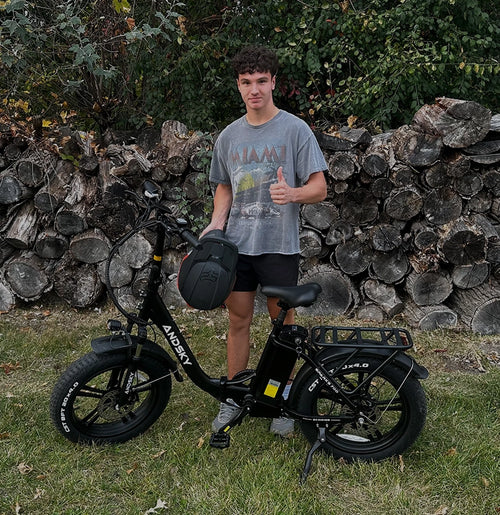
andskyebike is designed for riders who use their e-bike in real conditions: city roads, mixed pavement, park paths, gravel shoulders, errands, and weekend routes. That type of riding often includes weather changes. A stable fat tire platform can help riders feel more confident when pavement is imperfect, while practical features such as lighting, racks, and comfortable geometry support daily use.
Still, no e-bike should be treated carelessly in rain. The best results come from combining a capable bike with careful riding and maintenance habits. andskyebike riders should adjust speed, protect the battery, and keep the bike clean and dry after wet rides.
This guide is useful for commuters, students, delivery riders, errand riders, and anyone who expects to ride in changing weather. If you live in an area with frequent rain, wet roads, coastal humidity, or summer storms, wet-weather performance should be part of your buying decision.
Look for stability, reliable braking, good lighting, comfortable tires, practical fenders, and battery placement that makes routine care manageable. A bike that works only on perfect sunny days may not be practical enough for daily transportation.
This article was selected around search-intent themes including “can you ride an e-bike in the rain,” “waterproof e-bike,” “e-bike rain riding,” “wet-weather commuter e-bike,” and “electric bike battery care.” These terms align with ownership questions from commuters and buyers evaluating year-round e-bike practicality.
You can ride many e-bikes in light rain and wet commuting conditions, but rain requires better judgment. Brake earlier, ride slower, improve visibility, avoid deep water, protect the battery, and dry the bike before charging or storage.
For riders who want practical transportation beyond perfect weather, andskyebike offers stable and versatile e-bike options for real roads and changing conditions. The right bike helps, but the right habits are what keep wet-weather commuting safe and dependable.
In many normal light-rain conditions, yes, but avoid deep water, flooding, pressure washing, and charging wet components. Always follow your bike’s care guidance.
Most e-bikes are water-resistant, not fully waterproof. They can often handle normal rain, but they should not be submerged or exposed to high-pressure water.
Only after the battery, charger, and contact areas are fully dry. Do not charge wet components.
Fat tires can improve stability and comfort on rough or mixed wet surfaces, but riders still need to slow down and avoid slippery hazards.
Wipe down the frame, display, battery area, chain, and visible metal parts. Let the bike dry in a ventilated area before charging or storage.
Stay updated with the latest news and exciting updates from Andskyebike!







Share:
E-Bike Theft Prevention Guide: How Commuters Can Protect Their Electric Bike
Best E-Bike for RV Travel: How to Choose an Electric Bike for Campgrounds, Road Trips, and Camper Vans